
Polarized vs. Tinted vs. Photochromic Lenses: What's the Difference?
When choosing sunglasses or prescription eyewear, lens type can make just as much difference as the frame itself.
From glare reduction to adaptive light technology, modern lenses are designed to improve comfort, visibility, and everyday performance in different environments.
Selecting the right combination means finding a fit for your actual lifestyle — whether that means driving in bright sunlight, spending time outdoors, working between indoor and outdoor settings, or simply wanting a more comfortable visual experience throughout the day.
Here's a breakdown of the differences between polarized, tinted, and photochromic lenses, along with examples of each lens technology in action from brands like Maui Jim, Kuboraum, and Akoni.

Find the Right Lens for Your Lifestyle
Our opticians help you compare polarized, tinted, and photochromic lens technology and build a pair around the way you actually use your eyewear.
Polarized Lenses: Reducing Glare and Eye Strain
Polarized lenses are designed to reduce glare caused by sunlight reflecting off flat surfaces like roads, water, snow, and glass. This makes vision more comfortable and can improve clarity and contrast in bright conditions.
Unlike standard sunglass lenses, polarized lenses contain a special filter that blocks intense reflected light, helping reduce squinting and eye fatigue.
Benefits of polarized lenses:
- Reduces glare from roads and water
- Improves visual comfort outdoors
- Helps reduce eye strain in bright sunlight
- Increases contrast and clarity
- Useful for driving, boating, fishing, and outdoor activities
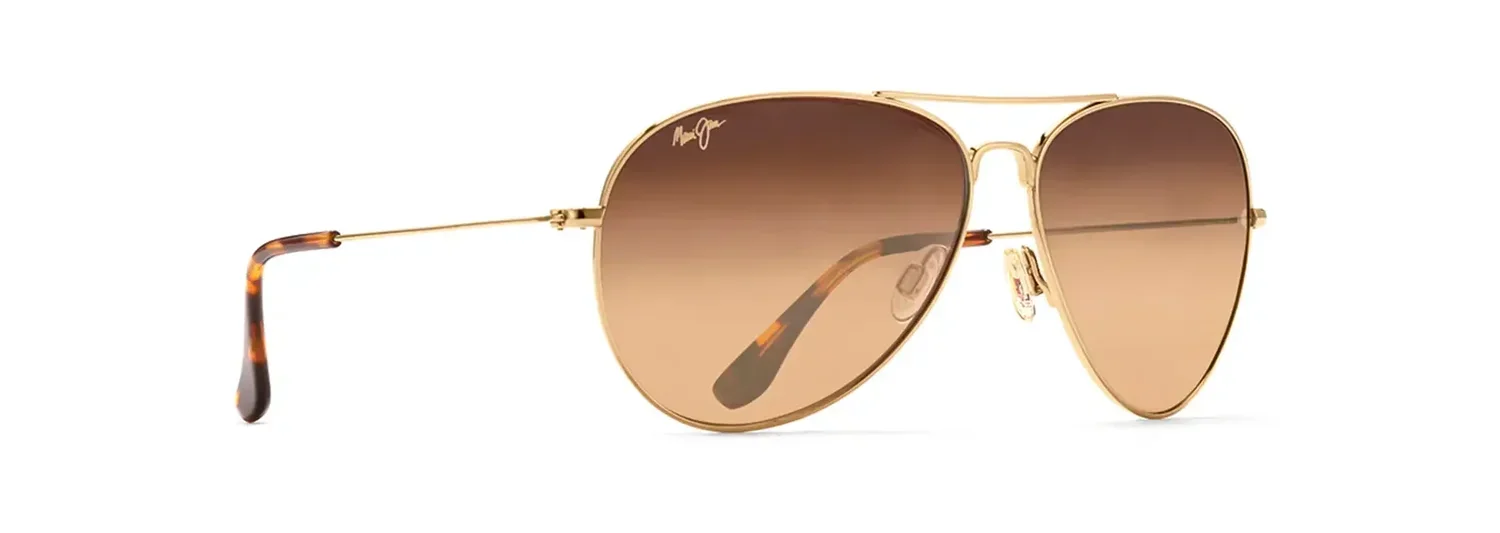
Maui Jim is especially well known for its polarized lens technology. Their lenses are designed not only to reduce glare, but also to enhance color and contrast for a more vivid viewing experience. This makes Maui Jim a popular choice for everyday driving, beach and outdoor use, long periods in bright sunlight, and active lifestyles.
Tinted Lenses: Adjusting Color and Light Perception
Tinted lenses use different colors to filter incoming light. While all sunglass lenses have some level of tint, different colors can affect how contrast, depth, and brightness are perceived. Tint choice is often based on comfort, environment, and personal preference.
Common lens tint colors:
- Grey: reduces brightness while maintaining natural color balance
- Brown/amber: enhances warmth and contrast
- Green: provides balanced contrast with softer brightness
- Yellow/rose: can improve depth perception in lower light
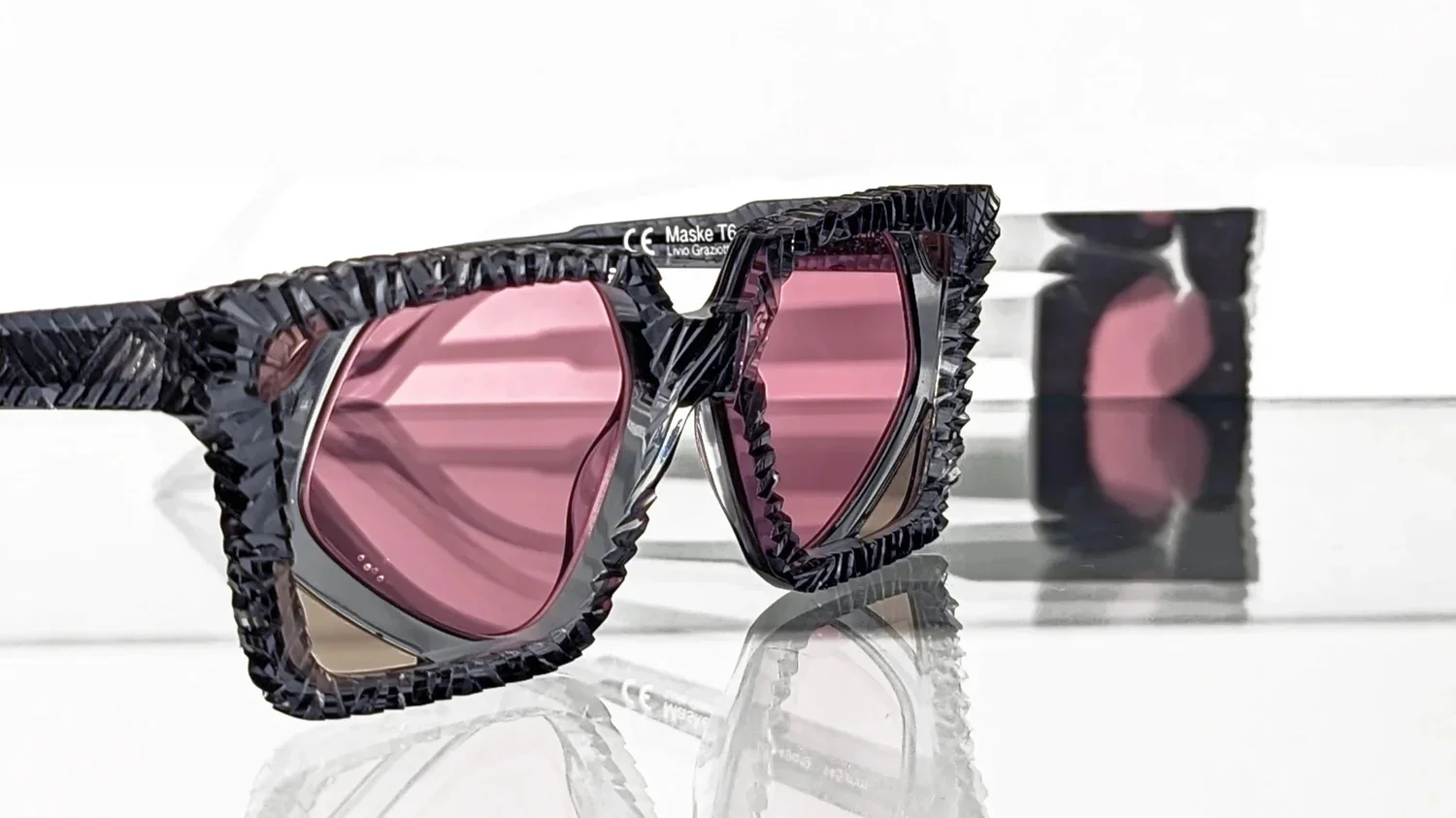
Kuboraum frequently uses unique lens tints as part of the frame's overall visual identity. Many of their lenses feature bold colors, gradients, or experimental tones that change the visual experience while also contributing to the frame's design. Tinted lenses are commonly chosen for everyday wear, fashion and personal style, moderate sunlight conditions, and softer visual comfort outdoors.
Photochromic Lenses: Adaptive Light Technology
Photochromic lenses automatically darken when exposed to UV light and become clearer again indoors. These lenses adapt throughout the day depending on lighting conditions, making them useful for people who frequently move between indoor and outdoor environments.
Benefits of photochromic lenses:
- Automatically adjusts to changing light
- Reduces the need to switch between glasses and sunglasses
- Provides UV protection
- Convenient for everyday use
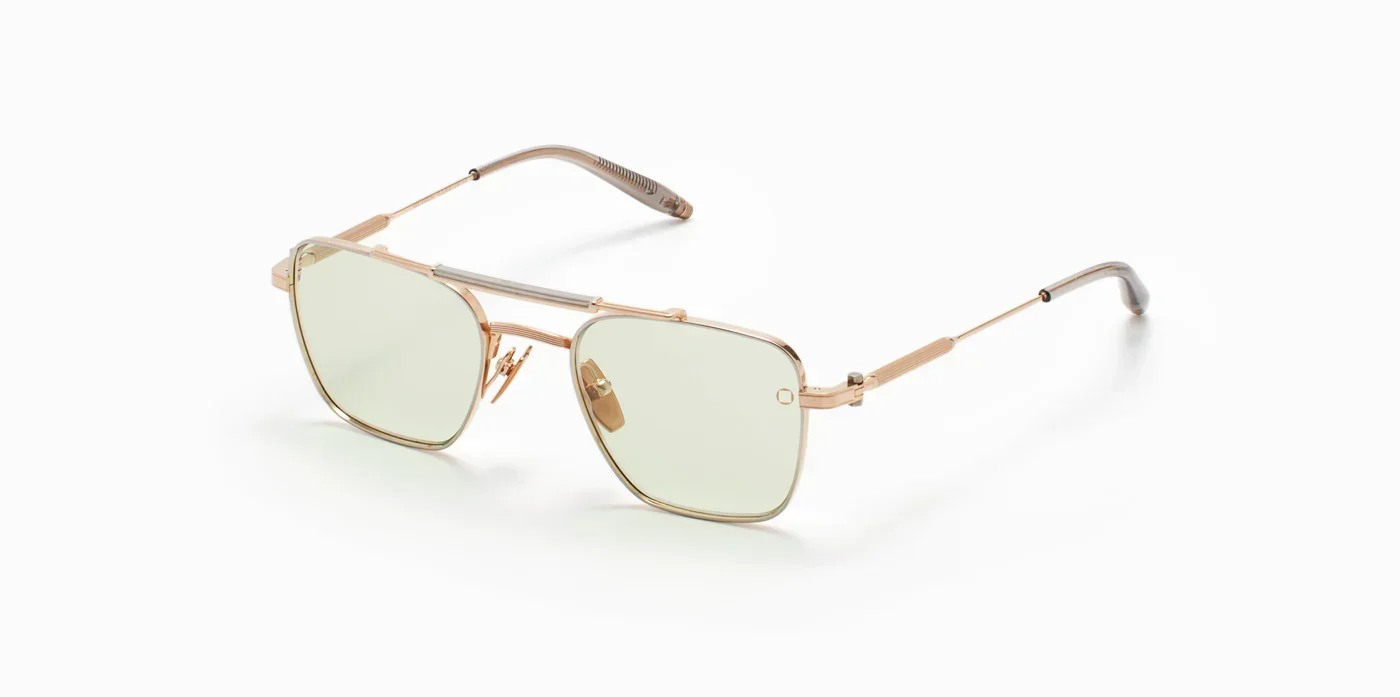
Akoni incorporates advanced lens technologies into many of its eyewear designs, including high-performance sun and photochromic options. Their focus on precision optics and lightweight construction makes them popular among wearers looking for both comfort and adaptability. Photochromic lenses are especially useful for daily commuting, frequent indoor/outdoor transitions, travel, and general-purpose everyday eyewear.
One important note: photochromic lenses may not darken fully inside vehicles because many windshields block UV light.
Which Lens Type Should You Choose?
Each lens type serves a different purpose, and many people benefit from having more than one pair depending on their lifestyle.
Polarized lenses are best for driving, outdoor activities, and bright sunlight and glare reduction.
Tinted lenses are best for everyday sunwear, personal style preferences, and comfortable brightness control.
Photochromic lenses are best for convenience, daily transitions between indoors and outdoors, and general all-day wear.
Explore Lens Options at Gazal Eyecare
Choosing the right lenses can improve comfort, reduce eye strain, and enhance everyday vision. At Gazal Eyecare, we help patients compare lens technologies and find solutions tailored to their lifestyle and visual needs.
Whether you're interested in polarized lenses from Maui Jim, expressive tinted lenses from Kuboraum, or adaptive photochromic technology integrated into Akoni eyewear, our team can help you find the right fit for the way you see the world.
Ready to see better?
Book a comprehensive eye exam at Gazal Eyecare in Roswell, or call us today.