
The Feeling of Luxury: Materials That Define High-End Eyewear
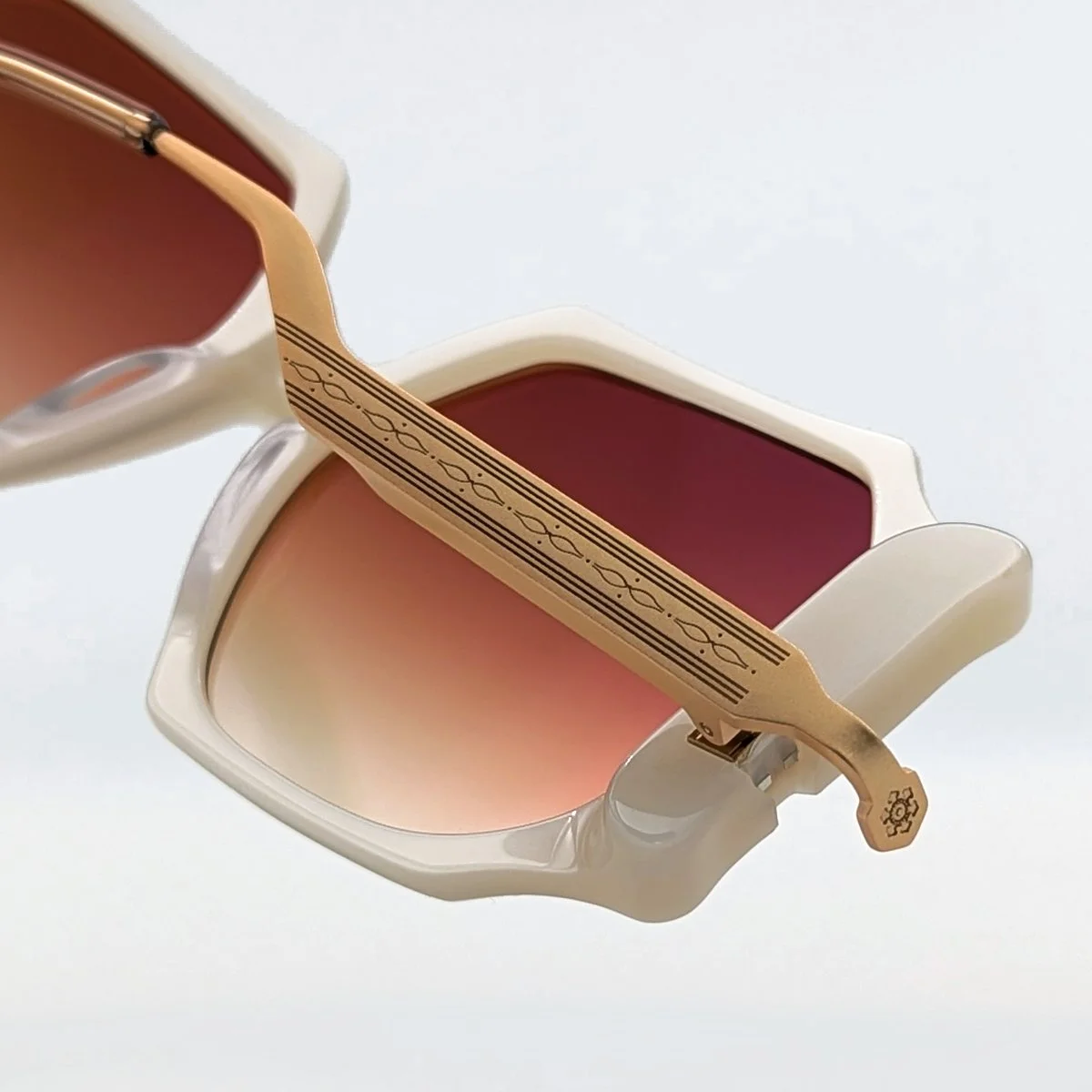
In luxury eyewear, aesthetics are only one part of the story. What truly separates exceptional frames from the ordinary is the material behind the design—how it is sourced, shaped, finished, and ultimately worn.
From precision-engineered titanium to hand-polished acetate and rare natural materials like horn and wood, each medium brings its own character to the world of high-end eyewear.
Our philosophy? Understanding the materials is key to understanding why certain eyeglass frames feel more balanced and refined.
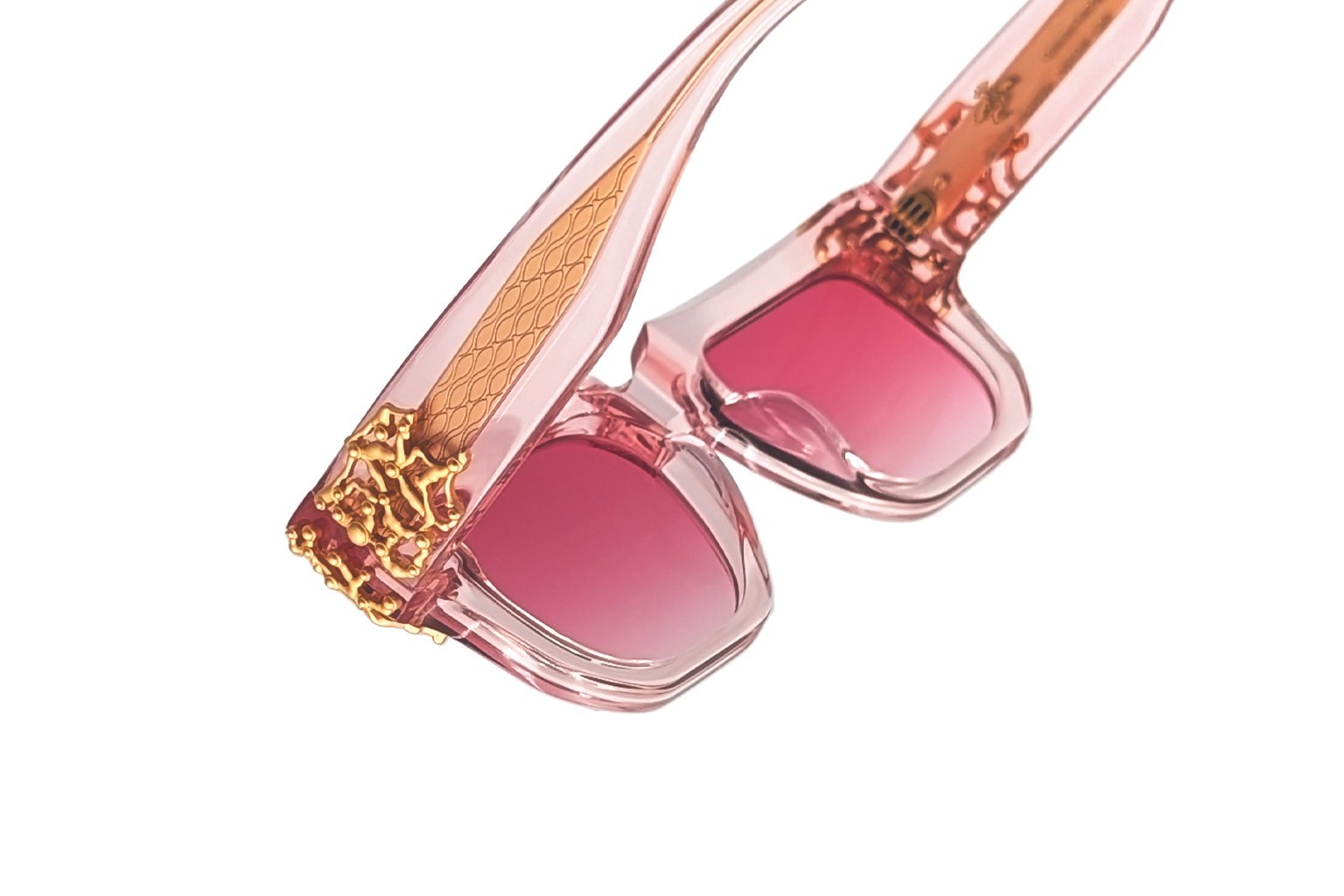
The new Lotus Collection by Gazal Eyewear is handcrafted with acetate to deliver maximum impact.
Acetate: The Art of Color and Depth
Acetate remains one of the most expressive materials in eyewear design, prized for its versatility, depth of color, and hand-finished quality. Unlike mass-produced plastics, luxury acetate is derived from plant-based cellulose, allowing it to be polished to a rich, glass-like finish.
Japanese Acetate
Japanese acetate is widely regarded as the highest standard in the industry. Known for its dense layering and exceptional durability, it is often hand-cut and polished over extended production cycles. This results in a frame with remarkable structural integrity and a refined, almost jewel-like surface quality.
Italian Acetate
Italian acetate, a favorite of German avant-garde design house KUBORAUM, brings a slightly different sensibility—bold, expressive, and fashion-forward. Italian manufacturers are known for pioneering color combinations, marble effects, and translucent layering techniques that give frames a distinctive visual energy.
Austrian Acetate
Austrian-produced acetate, as seen in brands like Andy Wolf, is often characterized by strong color clarity, clean finishing, and thoughtful structural balance. Bold enough to make a statement, yet refined enough for everyday comfort, it demonstrates how regional production values shape both aesthetics and performance.
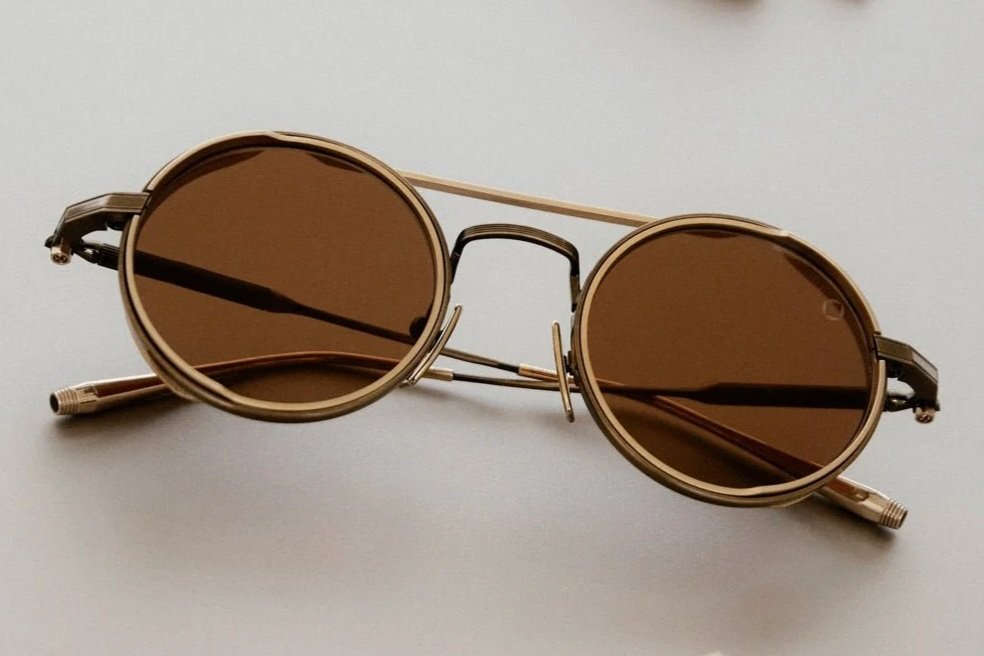
Swiss design house Akoni favors both titanium and acetate as their choice of medium for premium eyewear.
Titanium: Modern Engineering at Its Lightest
Titanium is the cornerstone of modern luxury eyewear engineering. Exceptionally lightweight, hypoallergenic, and corrosion-resistant, it allows designers to create frames that feel nearly weightless while maintaining structural strength.
Beyond comfort, titanium enables minimalism at its highest level. Thin profiles and flexible structures are made possible through the use of titanium. Brands like Lindberg and Akoni have elevated titanium eyewear into an architectural discipline, where every millimeter is engineered for balance and longevity.
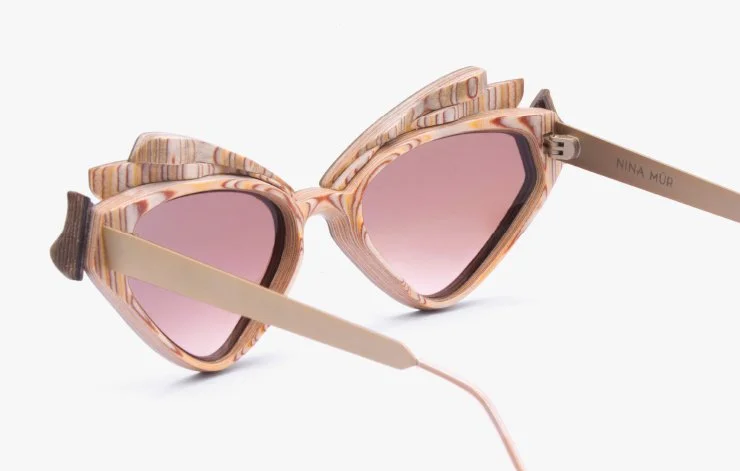
Madrid based brand Nina Mûr offers a uniquely sustainable collection of eyewear crafted from birch wood.
Wood: Organic Texture and Natural Warmth
Wood introduces a completely different sensibility to eyewear—one rooted in nature rather than industry. Often laminated for stability and shaped through precision cutting, wooden frames retain the organic grain and warmth of their source material.
Each pair is subtly unique, carrying natural variations that cannot be replicated. Wooden eyewear appeals to those who value sustainability, texture, and the individuality of natural materials. While less common in high-end collections, it remains a powerful expression of artisanal design.
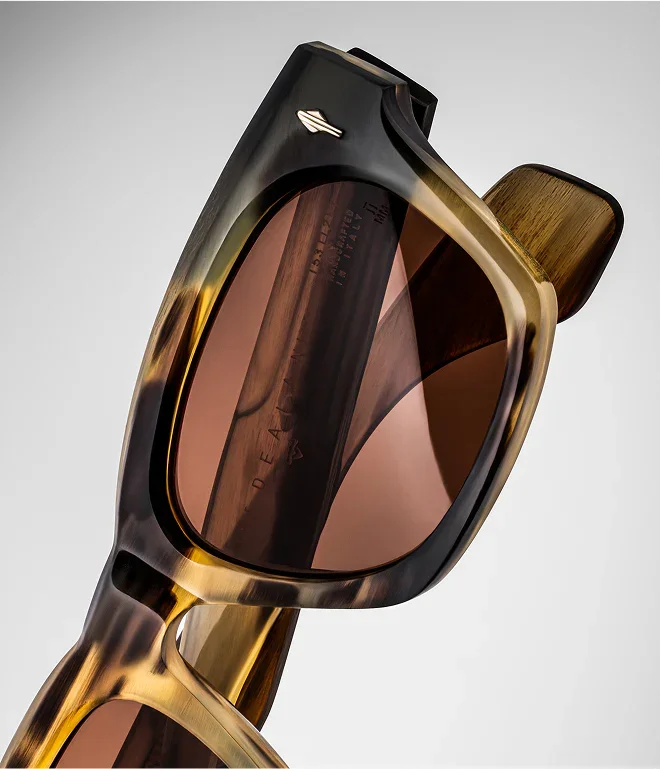
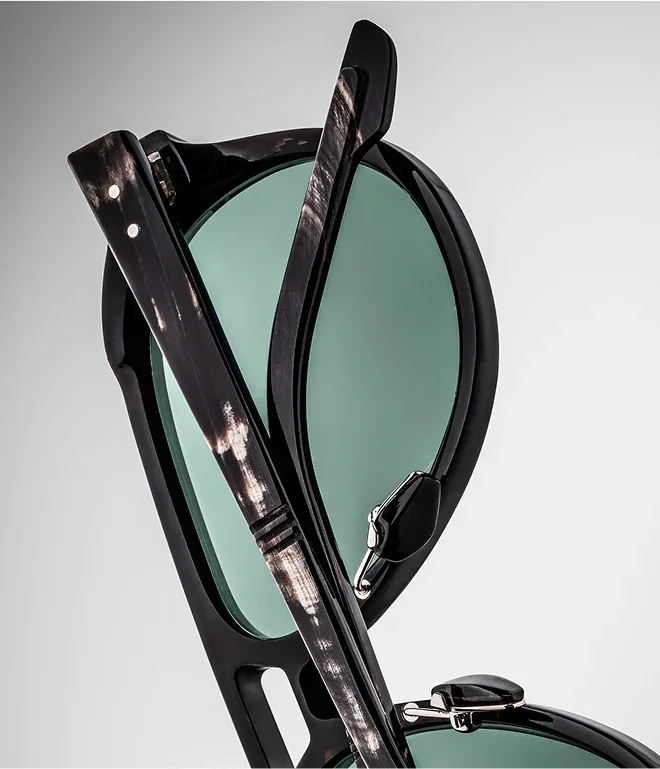
Los Angeles based brand Jacques Marie Mage used Buffalo horn for its limited edition Héritage collection.
Horn: Rare, Refined, and Timeless
Buffalo horn is one of the most luxurious materials used in eyewear. Naturally lightweight and hypoallergenic, horn offers a unique depth and warmth that evolves over time with wear. Its surface is polished by hand to reveal organic patterns that make each frame one of a kind.
Unlike synthetic materials, horn adapts to body temperature, creating an exceptionally comfortable fit. Its rarity and labor-intensive production process place it firmly in the realm of true luxury craftsmanship.
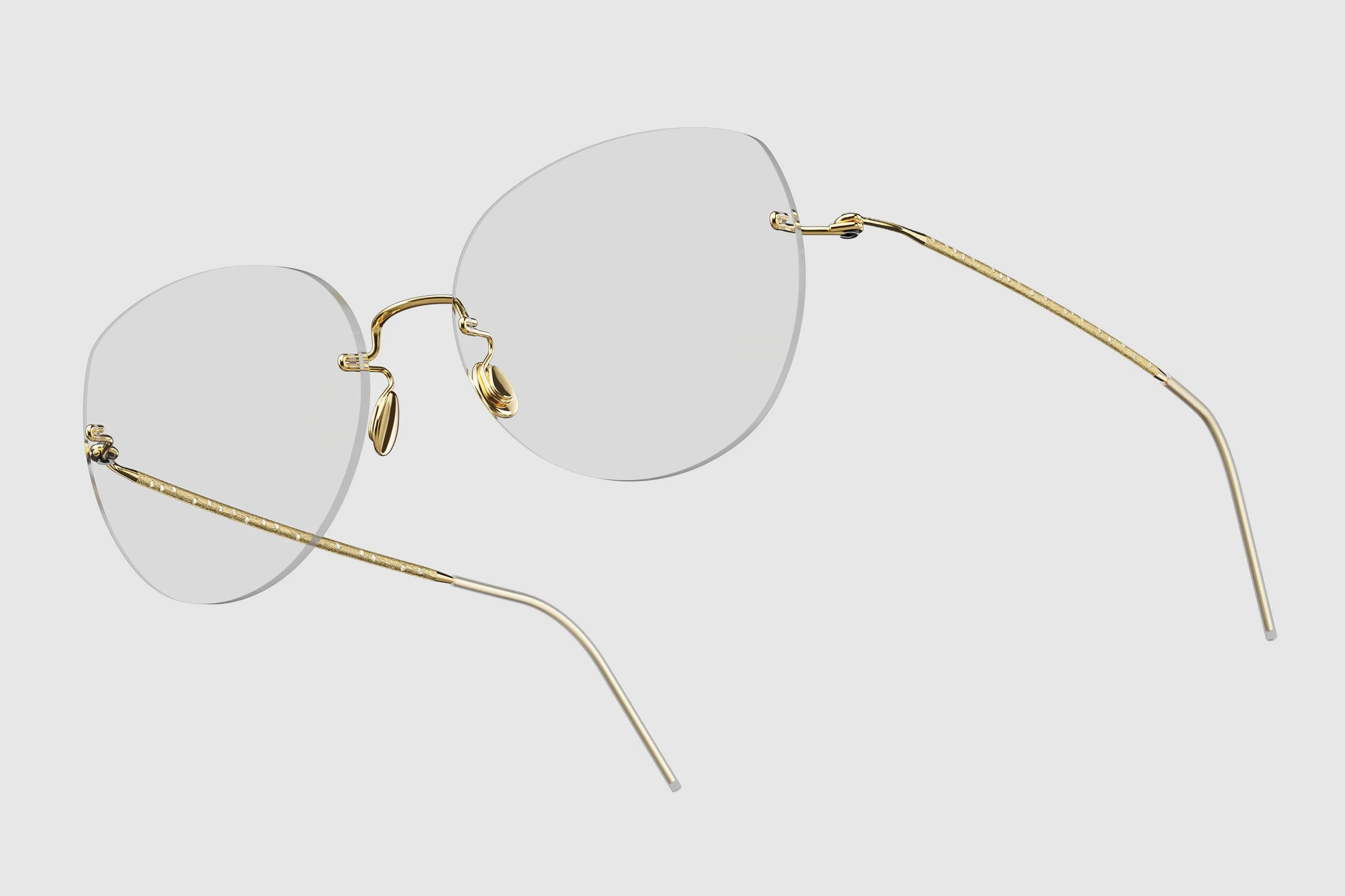
The Precious Collection from Danish eyewear brand Lindberg uses several rare materials, including gold, to craft heirloom quality luxury eyewear.
Gold: Precision, Weight, and Prestige
Gold in eyewear is not used for excess—it is used for intention. Whether in subtle accents, structural elements, or full-metal constructions, gold introduces a sense of permanence and refinement.
Often seen in limited-edition or haute eyewear collections, gold components are meticulously integrated into hinges, bridges, and detailing. Beyond its visual impact, gold offers corrosion resistance and long-term durability, making it as functional as it is symbolic.
In high-end eyewear, material is the foundation of a luxury experience.
It determines how the frame feels, how it ages, and ultimately, how it becomes part of one’s identity.
From the precision of Japanese acetate to the rarity of horn and the durability of titanium, each medium serves a purpose to tell a story.
We believe that the best eyewear does not simply sit on the face, but it becomes an extension of the wearer. Elevate your eyewear experience by shopping online through our thoughfully curated collections or plan your visit to our boutique, located just north of Atlanta.