
Why Japanese Craftsmanship Matters in Eyewear
In the world of premium eyewear, few phrases carry as much significance as "Made in Japan."
For decades, Japan has earned a reputation for producing some of the finest eyewear in the world.
From precision-engineered titanium frames to meticulously polished acetate designs, Japanese manufacturing has become synonymous with exceptional quality, attention to detail, and uncompromising craftsmanship.
But what makes Japanese eyewear different, and why do so many respected brands choose to manufacture there?

A Legacy of Precision
Japanese craftsmanship is rooted in a culture that values mastery, patience, and continuous improvement. Rather than prioritizing speed or mass production, many Japanese eyewear manufacturers focus on refining each step of the production process.
This philosophy results in eyewear that often requires dozens, and sometimes hundreds, of individual production steps before reaching the finished product.
Exceptional Acetate Construction
One of the hallmarks of Japanese eyewear is its use of premium acetate.
Japanese acetate is prized for its durability, color clarity, and ability to achieve a remarkably refined finish. Unlike lower-quality plastics, premium acetate can be polished to a rich, almost glass-like surface that enhances both appearance and comfort.

The material's density also allows for precise machining and sculpting, enabling designers to create intricate details while maintaining structural integrity.
Whether viewed from the front or the side, Japanese acetate frames often reveal a depth and richness that becomes increasingly apparent over time.
Titanium Done Right
Japan is also widely recognized as a leader in titanium eyewear manufacturing.
Titanium offers a unique combination of strength, flexibility, corrosion resistance, and lightweight comfort. However, working with titanium requires specialized knowledge and equipment that few manufacturers have mastered to the same degree as Japanese craftsmen.
Many of the industry's most celebrated titanium frames rely on Japanese production techniques to achieve their remarkable balance of durability and comfort. The result is eyewear that feels almost weightless while maintaining exceptional structural integrity.
For wearers, this often translates into less pressure on the nose and ears, greater long-term comfort, and frames that maintain their performance for years.
Attention to the Smallest Details
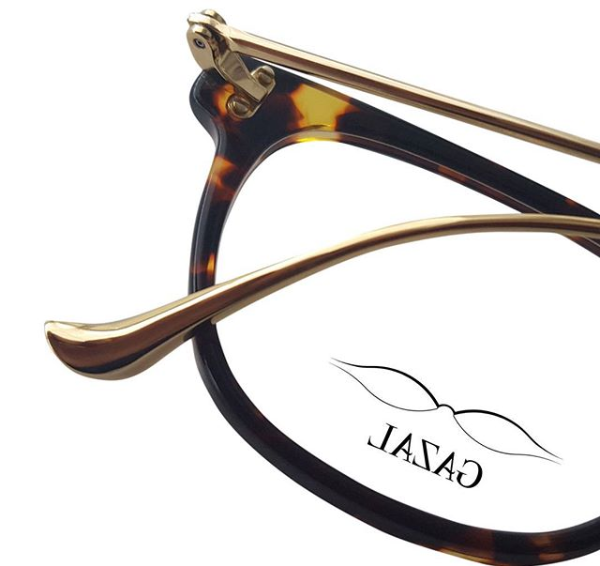
Perhaps the most noticeable difference in Japanese eyewear is the attention given to details that many people never consciously see.
Edges are polished more thoroughly. Hinges move with greater precision. Components fit together more seamlessly. Surface finishes appear cleaner and more consistent.
These refinements may seem minor individually, but collectively they create a noticeably different ownership experience.
The quality becomes evident not only in how the frame looks, but in how it feels every day.
Why It Matters
Eyewear is one of the few accessories worn every day. It sits on your face for hours at a time, influences your comfort, and often becomes one of the first things people notice about you.
Because of this, the quality of construction matters.
Japanese craftsmanship emphasizes longevity, precision, and consistency—qualities that contribute directly to a better-fitting, more durable, and more comfortable frame. Rather than focusing solely on appearance, Japanese manufacturers prioritize the overall experience of wearing eyewear.
Discover Japanese Craftsmanship at Gazal Eyecare
Many of the collections featured at Gazal Eyecare incorporate Japanese manufacturing and materials, including brands known for their exceptional use of acetate, titanium, and precision engineering.
Whether you're drawn to the sculptural details of handcrafted acetate or the lightweight comfort of titanium, Japanese-made eyewear represents a commitment to quality that can be seen and felt in every detail.
When it comes to eyewear, craftsmanship isn't simply about how a frame is made—it's about how it performs, how it ages, and how it enhances everyday life. That commitment to excellence is why Japanese eyewear continues to set the standard for the industry.